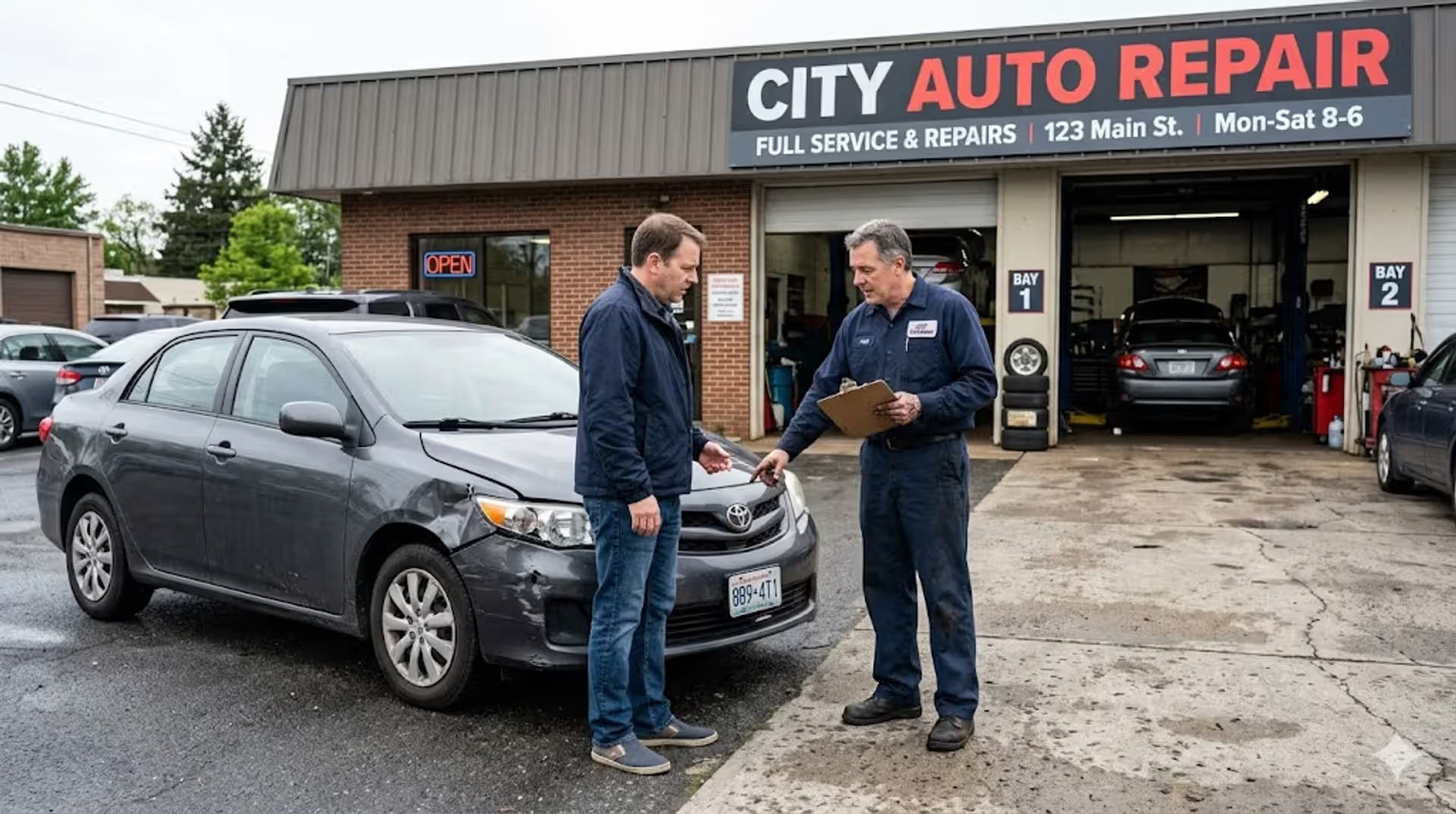
broken car on roadside at night with driver calling for help
How Roadside Assistance Coverage Works on Your Auto Policy

Content
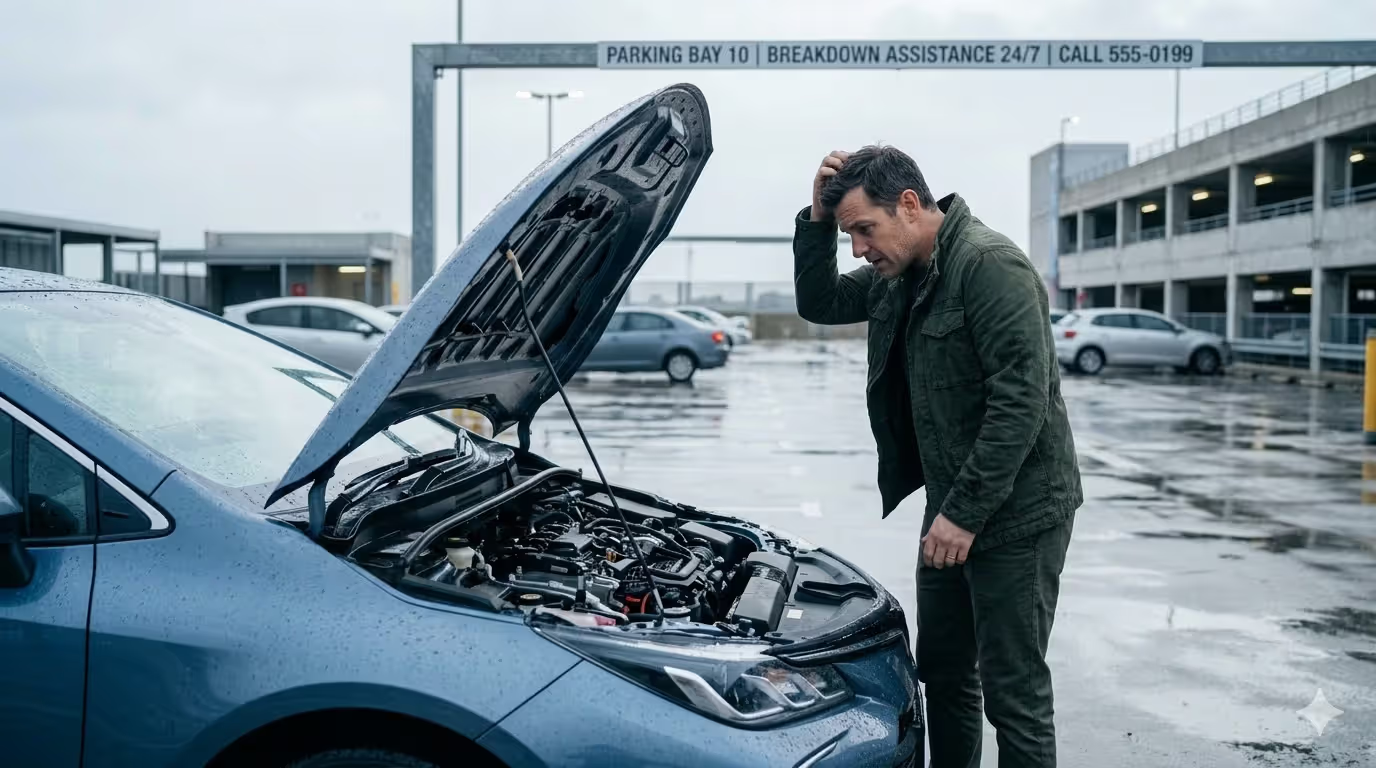
Picture this: It's 11 PM, your check engine light's flashing on a deserted highway exit. Or maybe your battery just gave up in a Costco parking lot while rain pounds the windshield. Perhaps you're watching your tire shred apart 40 miles from civilization.
These scenarios share something in common—they'll cost you anywhere from $150 to $400 if you're unprepared.
Here's the disconnect: plenty of drivers duplicate the same protection across three different sources without knowing it. Meanwhile, others carry nothing and wind up Venmo-ing a tow truck driver $275 at midnight. The question isn't whether roadside assistance has value—it's whether YOU need it, given what you might already own and how you actually drive.
How Roadside Assistance Coverage Works With Your Auto Insurance
Let's clear up a massive misconception first. Your car insurance? It won't help when your alternator dies on I-95.
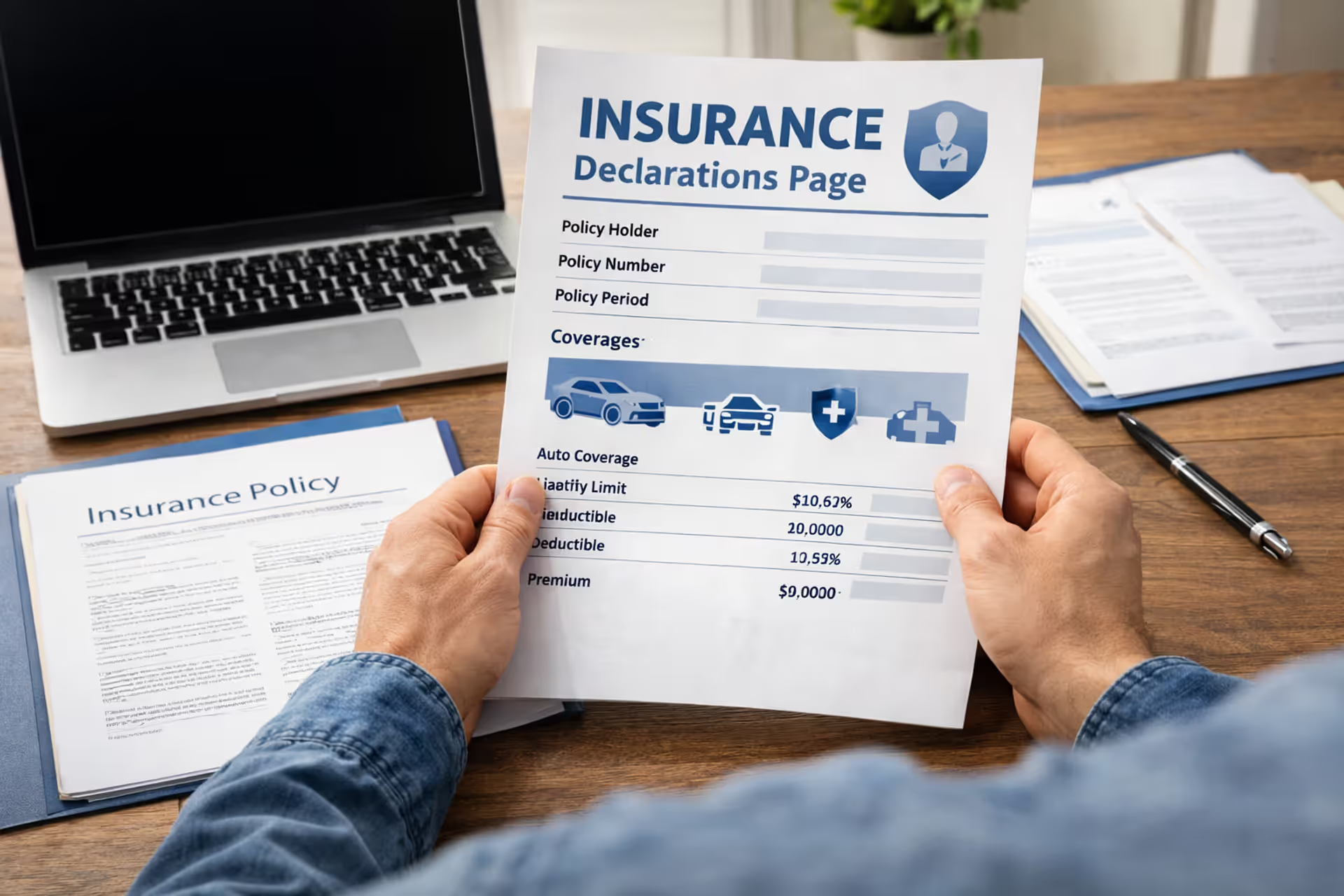
Think your policy has you covered for everything car-related? Not quite. Your insurer handles crashes, liability lawsuits, and theft claims. Break down because your fuel pump quit? That's not their problem—unless you've specifically purchased the optional coverage we're discussing.
Author: Brandon Whitaker;
Source: trialstribulations.net
Add on insurance for roadside emergencies works as a separate line item. You'll buy it through your current auto insurance company, join a membership club, or download an app-based service. Once enrolled, you access a dispatcher who sends tow trucks, mobile mechanics, or locksmiths when trouble hits. Most insurance companies charge $5–$25 yearly. Membership clubs bill monthly or annually.
Your insurer—State Farm, GEICO, Allstate, Progressive, whoever—packages this as an endorsement. It shows up on your policy, gets billed with your premium, and integrates with your existing coverage. Simple, consolidated, one phone number for everything.
But insurance companies aren't your only option. AAA built their reputation entirely on roadside help, offering Basic, Plus, and Premier tiers. Credit card issuers bundle limited emergency services with premium cards—Chase Sapphire Reserve, certain American Express Platinum variants, and high-tier Mastercards include some protection. Newer players like HONK and Urgently skip memberships entirely, charging per incident only when you actually need them.
Here's where people waste money: these providers never coordinate. You could simultaneously have coverage through your car's factory warranty, your platinum credit card, your spouse's AAA membership, AND your insurance policy—all four charging you, none aware of the others. Before adding anything new, inventory what you're already paying for.
What Services Are Included in Standard Roadside Assistance Plans
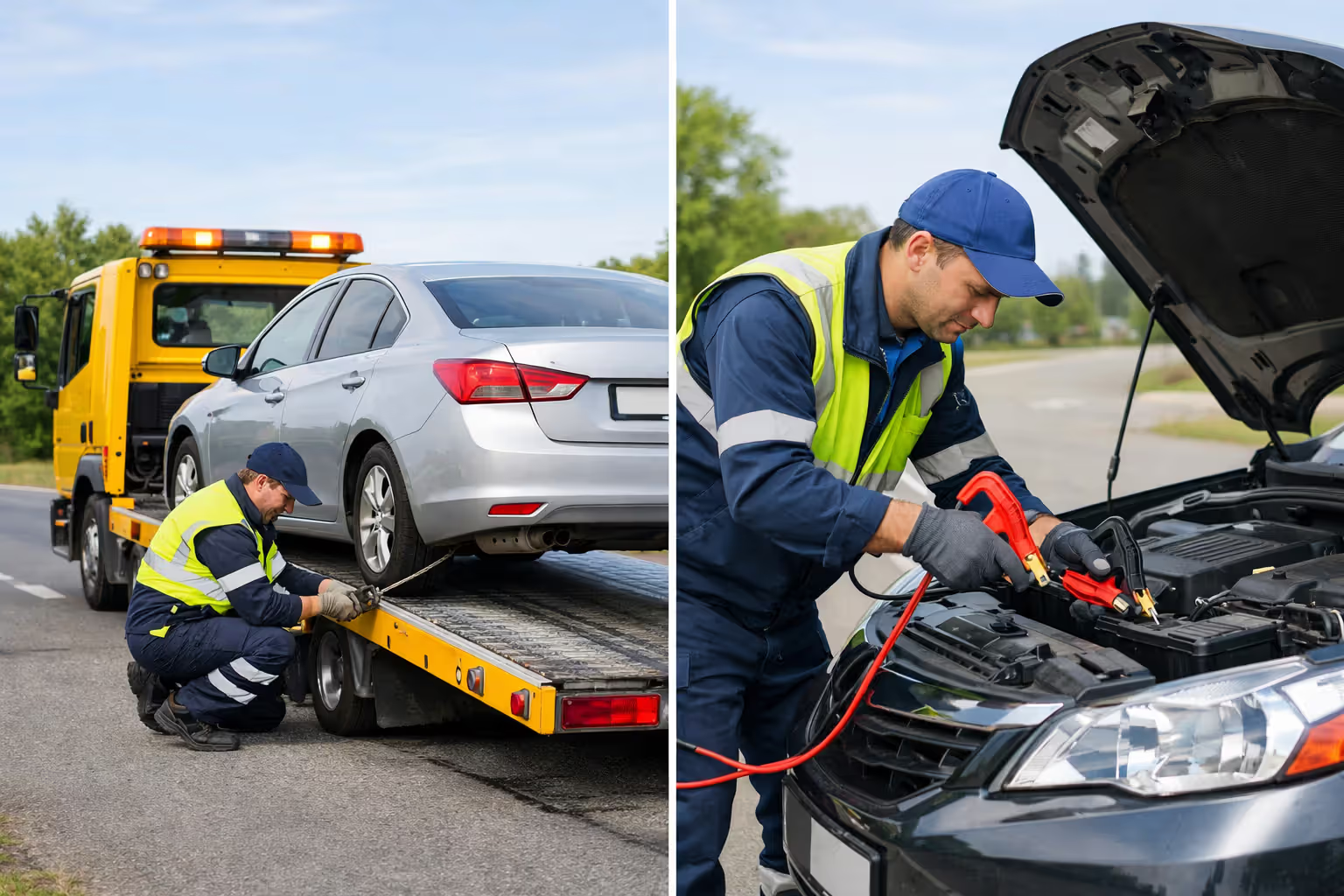
Six core services show up in virtually every plan. Towing hauls your dead vehicle to a repair facility when it won't run. Jump-starts use portable batteries or cables to revive your car when the battery dies. Lockout service sends someone to unlock your doors when keys are inside (but often won't help if you've lost the keys entirely—different problem). Tire changes swap your flat for the spare sitting in your trunk, though the service won't repair the tire or buy you a new one.
Fuel delivery brings 2–3 gallons to get you rolling toward a gas station when you're running on fumes. Winching extracts vehicles stuck in ditches, snow banks, or mud using cable systems mounted on tow trucks. Premium-tier plans sometimes throw in trip interruption coverage—hotel reimbursement and rental car allowances if you break down far from home.
Now for what's excluded: oil changes, brake jobs, transmission repairs, new tire purchases, or consequences of illegal activity. Roadside coverage gets your car to the shop. It doesn't fix what's broken. Your radiator explodes? They'll tow you. The $1,200 radiator replacement? That's on you.
Author: Brandon Whitaker;
Source: trialstribulations.net
Towing Distance Limits and What Happens When You Exceed Them
Towing coverage insurance caps hauling distance before extra charges kick in. Entry-level plans cover 5–10 miles. Mid-range options stretch to 50–100 miles. Top-shelf memberships might include one 200-mile tow annually.
These numbers matter more than you'd guess. Say your car dies 8 miles from home, but your trusted mechanic operates 15 miles away. Your 10-mile plan leaves you paying out-of-pocket for 5 excess miles at $3–$7 per mile. That "covered" tow just cost you $15–$35 in overages.
When you blow past your limit, the tow operator calculates the extra distance and swipes your card before unloading. Some drivers compromise by accepting a tow to a closer (but unfamiliar) shop to avoid fees, then moving the car later. Others upgrade coverage after getting burned once—though mid-year upgrades typically won't activate until your next renewal date.
Common Service Restrictions You Should Know About
Annual claim limits determine how many times you can request help. Budget-friendly plans allow 3–4 service calls yearly. Plans advertising "unlimited" assistance usually define that as "reasonable use within industry norms"—submit eight claims in five months and watch your renewal get denied.
Geographic boundaries surprise frequent travelers. Some insurance-based add-ons only function within your home state or the lower 48. AAA works throughout the US, Canada, and parts of Mexico. App-based services depend on contractor availability; try finding help in rural Montana or the West Texas plains and you might discover nobody within 90 miles accepts those platforms.
Waiting periods block immediate gratification. Can't call AAA the moment your car dies on the shoulder and join right then. Most providers enforce 24–72 hour gaps between signup and first use, preventing emergency enrollments.
Vehicle eligibility creates boundaries too. Coverage typically follows the driver, not the car—but restrictions apply. Trucks exceeding 10,000 pounds, recreational vehicles, motorcycles, and commercial vehicles need specialized plans. Borrow your sister's car and break down? Your coverage usually transfers. Your sister drives your car and needs help? Check your policy's fine print because answers vary wildly.
Comparing Roadside Assistance Costs: Insurance Add-On vs. Membership Programs
Prices swing dramatically based on who provides the service and what you're actually getting. Here's what different protection types typically cost:
| Coverage Source | Yearly Price | Max Towing Distance | Annual Service Calls Allowed | Extra Perks |
| Insurance Policy Add-On | $5–$25 | 5–15 miles | 3–6 incidents | Nothing extra; shows up on your existing policy |
| AAA Basic Membership | $60–$80 | 5 miles maximum | 4 incidents | Theme park discounts, hotel savings, car rental deals |
| AAA Plus Membership | $90–$130 | 100 miles maximum | 4 incidents | Locksmith services, bicycle roadside help |
| Premium Credit Card Benefit | $0 (part of card perks) | 10 miles | 4 incidents | Depends on card terms; usually covers cardholder exclusively |
| On-Demand Service App | $0 yearly + $50–$150 each time | Depends on actual distance | Unlimited (pay per use) | No membership fees; see exact prices before accepting |
Insurance add-ons win on annual cost but lose on towing distance. Makes sense if your mechanic's around the corner and you rarely leave town. AAA charges more up front but delivers longer tows plus family-friendly extras—solid choice for households with teenage drivers or people who take regular road trips. Credit card benefits sound fantastic (free!) until you read the restrictions: usually covers only the primary cardholder, rarely includes passengers or family members, and towing caps at 10 miles.
Pay-per-use apps completely flip the economics. Pay nothing until you need something, then cover the entire bill—$75–$150 for one tow depending on distance and whether it's 2 AM. Break down once every four years? You're saving money versus annual memberships. Break down three times in 12 months? You've just spent more than a premium plan costs.
Family coverage throws another variable into the mix. Insurance add-ons generally cover every vehicle listed on your policy automatically. AAA memberships cover the specific member in any vehicle, but adding your spouse or college-age kid runs $30–$50 extra per person annually. Credit card benefits rarely extend to anyone beyond authorized cardholders.

Author: Brandon Whitaker;
Source: trialstribulations.net
5 Situations Where Breakdown Protection Pays for Itself
Rural breakdowns multiply both costs and consequences. Sarah's 2015 Accord quit along Wyoming Highway 789, a full 60 miles from the nearest town with a repair shop. The closest available tow truck quoted $350 for the haul. Her $95 AAA Plus membership covered every mile, saving her $255 on one incident. Rural drivers face longer distances to help, fewer available trucks, and higher per-mile rates, making comprehensive breakdown protection worth considerably more than the sticker price suggests.
Extreme weather creates simultaneous failures across thousands of vehicles. Chicago's 2019 polar vortex killed car batteries by the thousands in a 48-hour span. Tow companies quoted 6–8 hour waits and charged $150+ just for jump-starts. Drivers with existing coverage jumped ahead in line because service networks prioritized members. When hurricanes, heat waves, and blizzards hit, demand explodes and availability evaporates. Coverage locks in access when everyone else is desperately scrolling Yelp for help.
Older vehicles fail more frequently—math simply works against you. Mark's 2009 Camry required roadside help three separate times across 18 months: dead battery in April, snapped serpentine belt in September, fuel pump failure the following February. Each incident would've cost $120–$180 without coverage. His $80 annual membership paid for itself on the first call, then saved him another $240 on calls two and three. Once your vehicle crosses 100,000 miles or celebrates its tenth birthday, failure probability climbs sharply.
Long commutes increase exposure through pure mathematics. Jennifer drives 60 miles each direction between suburban Atlanta and her downtown office. She's logging 25,000 miles yearly—double the US average of 12,000. Her insurance company's add-on costs $18 per year, working out to $0.00072 per mile driven. She considers it cheap protection against sitting disabled on I-285 during rush hour with angry drivers honking behind her.
Family road trips concentrate risk while amplifying consequences. Breaking down 800 miles from home with two kids, a golden retriever, and a week's worth of luggage transforms from inconvenience into genuine crisis. Hotels, rental cars, and meals while waiting for repairs stack up fast. Trip interruption coverage bundled with premium roadside plans reimburses these expenses up to $500–$1,000. That $130 annual membership fee looks pretty reasonable compared to the $600+ you'd otherwise blow on emergency accommodations.

Author: Brandon Whitaker;
Source: trialstribulations.net
How to Evaluate Service Limits Before Buying Coverage
Fine print determines whether your coverage actually helps or just disappoints when you desperately need it. Start by examining annual claim limits carefully. Four service calls per year sounds reasonable until you realize one incident might require multiple services. Flat tire on a dark highway with a spare that's also flat? That's both a tire change AND a tow. Does your policy count that as one call or two? Policies differ significantly, and the distinction directly affects your wallet.
Towing mileage caps demand actual measurement, not guesswork. Pull up Google Maps and measure distances from highways you frequently travel to your preferred repair shops. Drive a regular corridor 40 miles from your mechanic? A 10-mile towing cap leaves you badly exposed. Map your most common routes, then add 20% buffer for traffic detours and indirect routing around construction.
Blackout periods and response time promises reveal whether providers deliver when needed. Some budget plans exclude coverage during holidays, weekends, or severe weather—precisely when you're most vulnerable. Others advertise 30–60 minute average response times but bury exceptions for rural locations and high-demand situations in paragraph seven of the terms. Read customer reviews focused specifically on wait times and service quality, not just monthly costs.
Geographic restrictions ambush travelers. Does your coverage work in Vancouver if you visit family across the border? What about Puerto Vallarta for spring break? Cross-country drivers need confirmation their plan covers all states, not just their home region. Membership programs generally offer broader geographic reach than insurance-based add-ons.
Red flags worth avoiding: providers requiring upfront payment with later reimbursement (creates cash flow problems), plans publishing zero specific service limits (gives unlimited flexibility to deny claims), and coverage excluding vehicles over five years old (defeats the purpose since newer cars rarely need it).
Compare payment mechanics carefully. Do you pay the tow truck driver directly and submit receipts for reimbursement, or does the provider pay drivers directly? Direct payment eliminates out-of-pocket expenses and paperwork hassles. Reimbursement models might take 30–60 days processing claims, tying up your money when you're already stressed about repair bills.
Most drivers overestimate breakdown frequency while underestimating their existing coverage. The ideal approach involves reviewing actual driving patterns annually and adjusting coverage as vehicles age and habits evolve.
— Michael Barry
FAQ: Common Questions About Emergency Roadside Benefits
Your decision depends on four key factors: how old your vehicle is, how you typically drive it, what coverage you already own, and your financial tolerance for surprise expenses.
Vehicles under three years old with active factory warranties need minimal extra protection. Review what your warranty already includes, then consider a basic insurance add-on ($5–$15 yearly) extending towing distance and adding services like lockout help.
Vehicles between 5–10 years old face moderate breakdown probability. A mid-tier option—either an insurance add-on with 50-mile towing or AAA Basic—balances cost against protection. Target plans offering at least four annual service calls and 25+ mile towing coverage.
Anyone driving vehicles past 10 years old or exceeding 100,000 miles should carry comprehensive coverage. Premium AAA memberships or insurance add-ons with extended towing justify their cost. The higher upfront investment ($90–$130 yearly) pays off through multiple uses and trip interruption benefits.
Frequent long-distance travelers need broad geographic reach and extended towing capability. AAA Plus or Premier memberships deliver nationwide coverage and 100+ mile tows. Insurance add-ons handle local driving well but frequently disappoint on road trips.
Urban drivers with short commutes and nearby repair facilities can choose basic, budget-friendly plans. Rural drivers, conversely, should prioritize maximum towing distance over low prices. The gap between 10-mile and 100-mile towing coverage determines whether you're stranded or safely delivered to help.
Budget-conscious drivers with reliable newer vehicles might skip annual memberships completely, using pay-per-use apps for occasional incidents. Track your personal breakdown history: needing help fewer than once every two years means paying per incident probably costs less than annual memberships.
Audit existing coverage before purchasing anything new. Check credit cards, your current auto insurance policy, and any club memberships you already maintain. Eliminate redundant coverage and redirect those dollars toward actual gaps—longer towing reach, additional covered drivers, or trip interruption protection.
The right choice isn't about maximum coverage or minimum price. It's about matching protection level to your actual risk profile, driving patterns, and financial circumstances. A $20 annual investment preventing a $200 towing bill delivers 10x return. A $130 membership you never use wastes money better spent on vehicle maintenance preventing breakdowns entirely.
Reevaluate annually when renewing policies. As vehicles age, increase coverage. When replacing an old vehicle with a new one, scale back. Roadside assistance coverage performs best as a flexible tool adapting to changing circumstances, not a set-it-and-forget-it purchase you make once and ignore forever.